Pre-Launch · 2026
The Biocoal Market,
Fixed.
Buyers meet verified suppliers. No brokers. 42+ markets.
Scroll to explore
Buyers meet verified suppliers. No brokers. 42+ markets.
The global biocoal industry is massive — and completely disorganized. Thousands of producers in India, Indonesia, and Brazil have no direct access to industrial buyers in Europe, Japan, or the Middle East. Deals happen through brokers, WhatsApp groups, and cold calls. There is no price discovery, no quality verification, no logistics infrastructure.
Industrial buyers have no way to find verified suppliers that meet their exact specifications. Suppliers have no way to reach the markets that will pay the best prices. The result: higher costs, lower margins, and deals that fall apart over quality disputes.
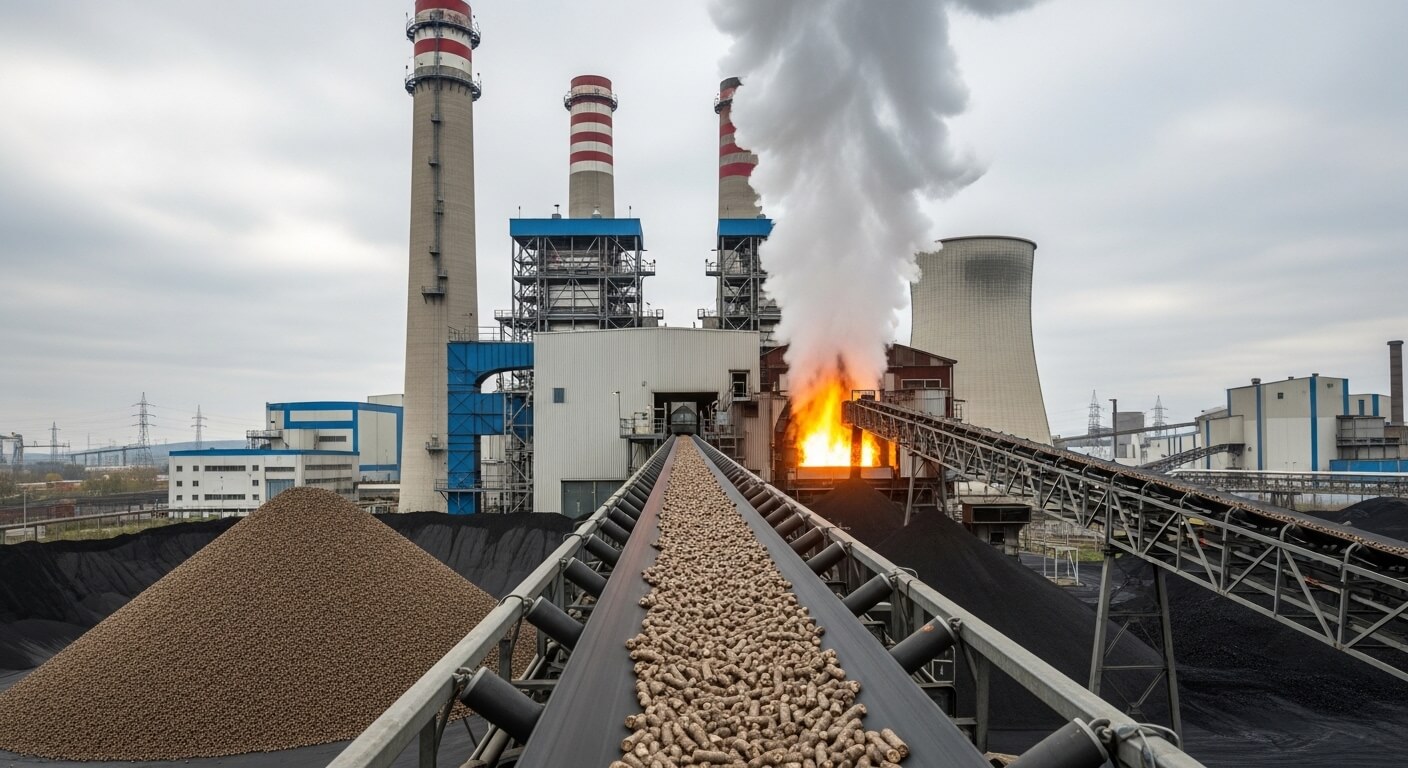
Thousands of small producers with no aggregation layer. Buyers cannot find verified, consistent supply at scale.
Deals happen through phone calls and brokers. No price discovery, no data, no accountability on either side.
No standardized verification. Buyers routinely face calorific value disputes and ash content surprises at delivery.
No freight coordination between producers and buyers. High transport costs destroy margins and kill long-term contracts.
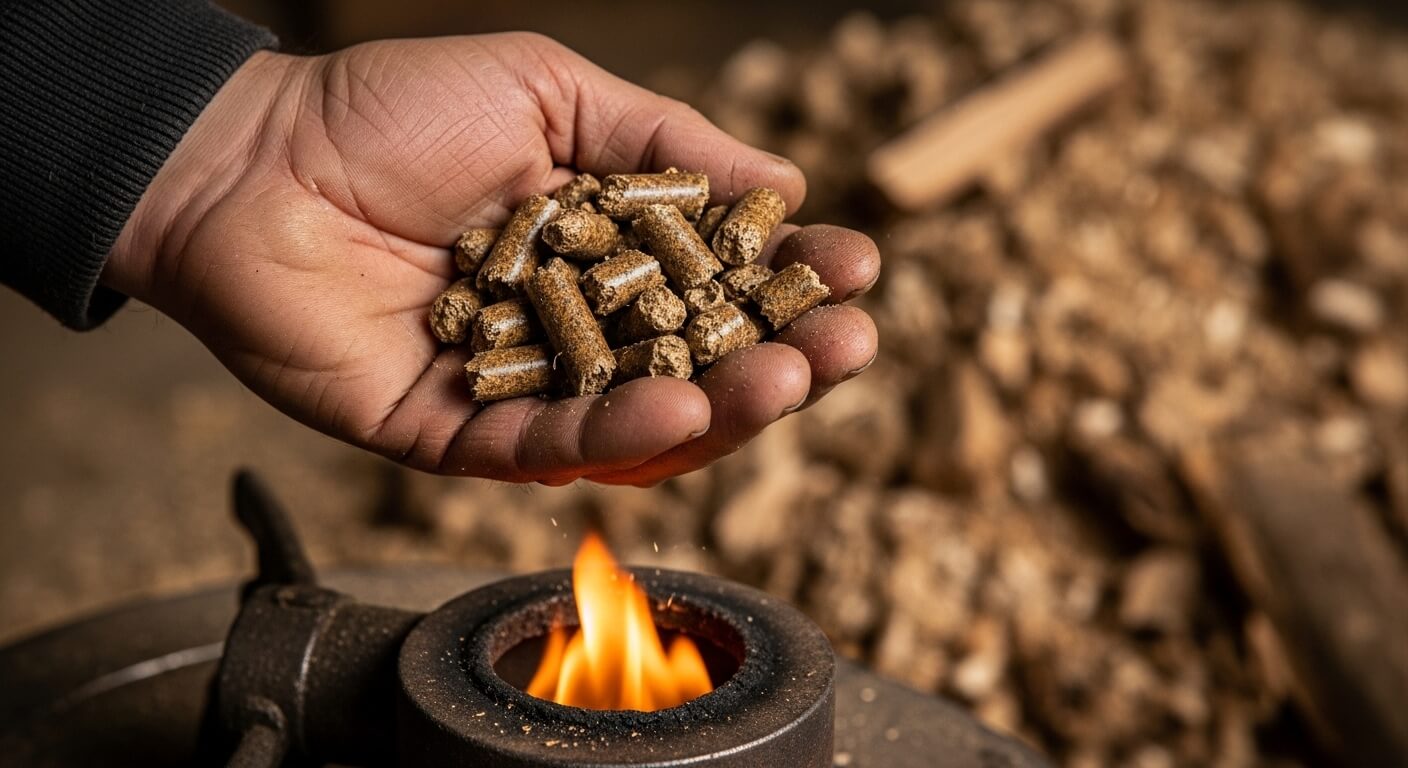
Compressed rice husk, sawdust, and bagasse turned into high-density industrial fuel. Burns cleaner, costs less — drop-in replacement with no equipment changes required.
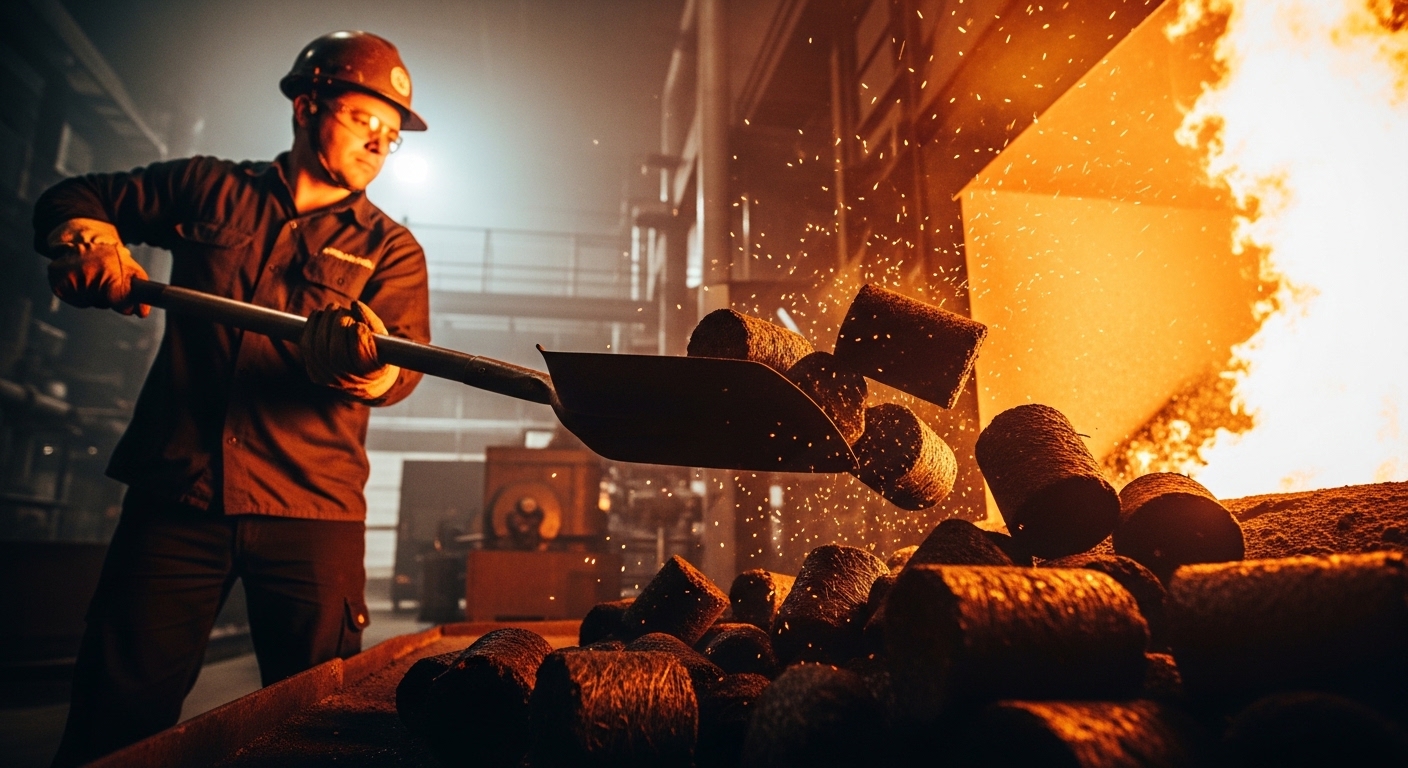
Cylindrical blocks pressed from rice husk, sawdust, or bagasse. Direct coal replacement for industrial boilers — no equipment modification required.
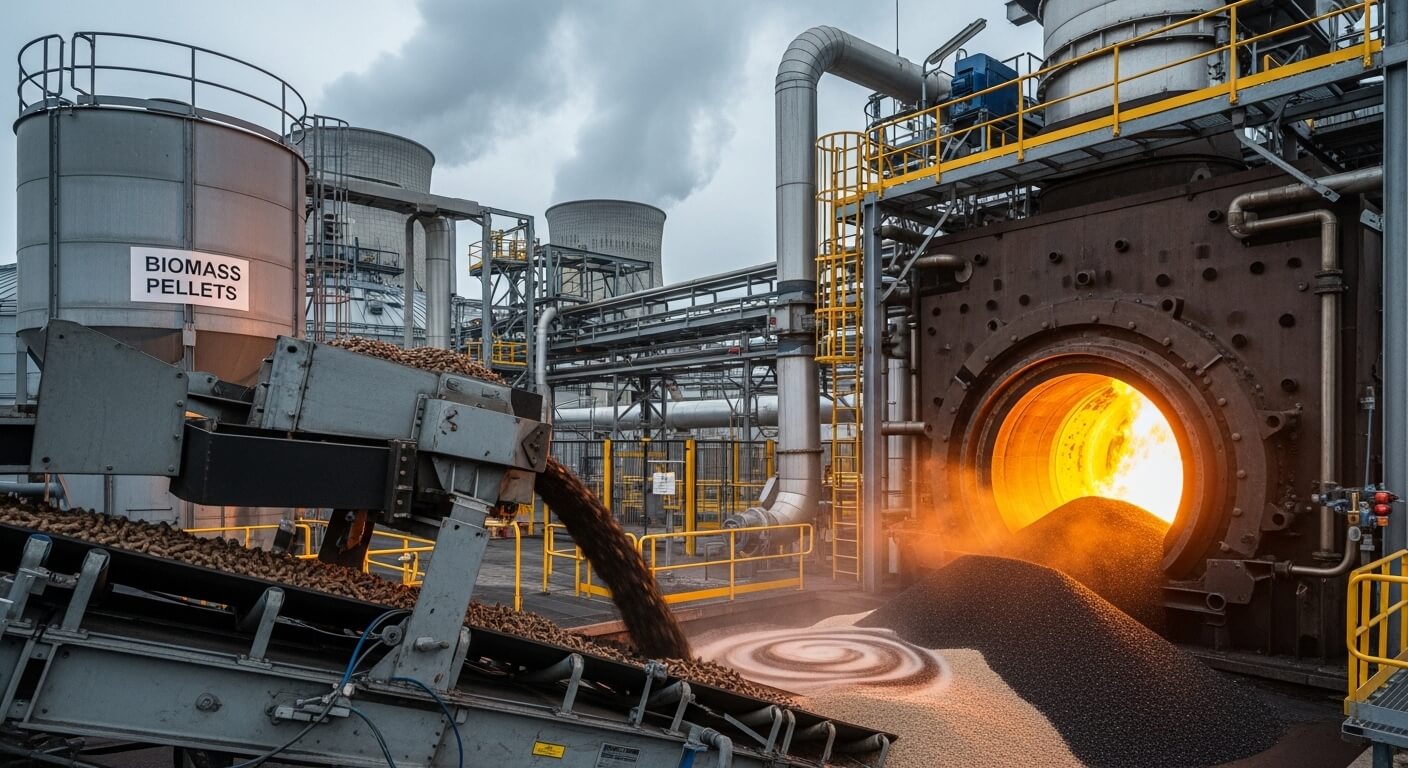
Precision cylinders for automated feeding systems. Consistent specification, certified quality for power plants and large-scale industrial heating.
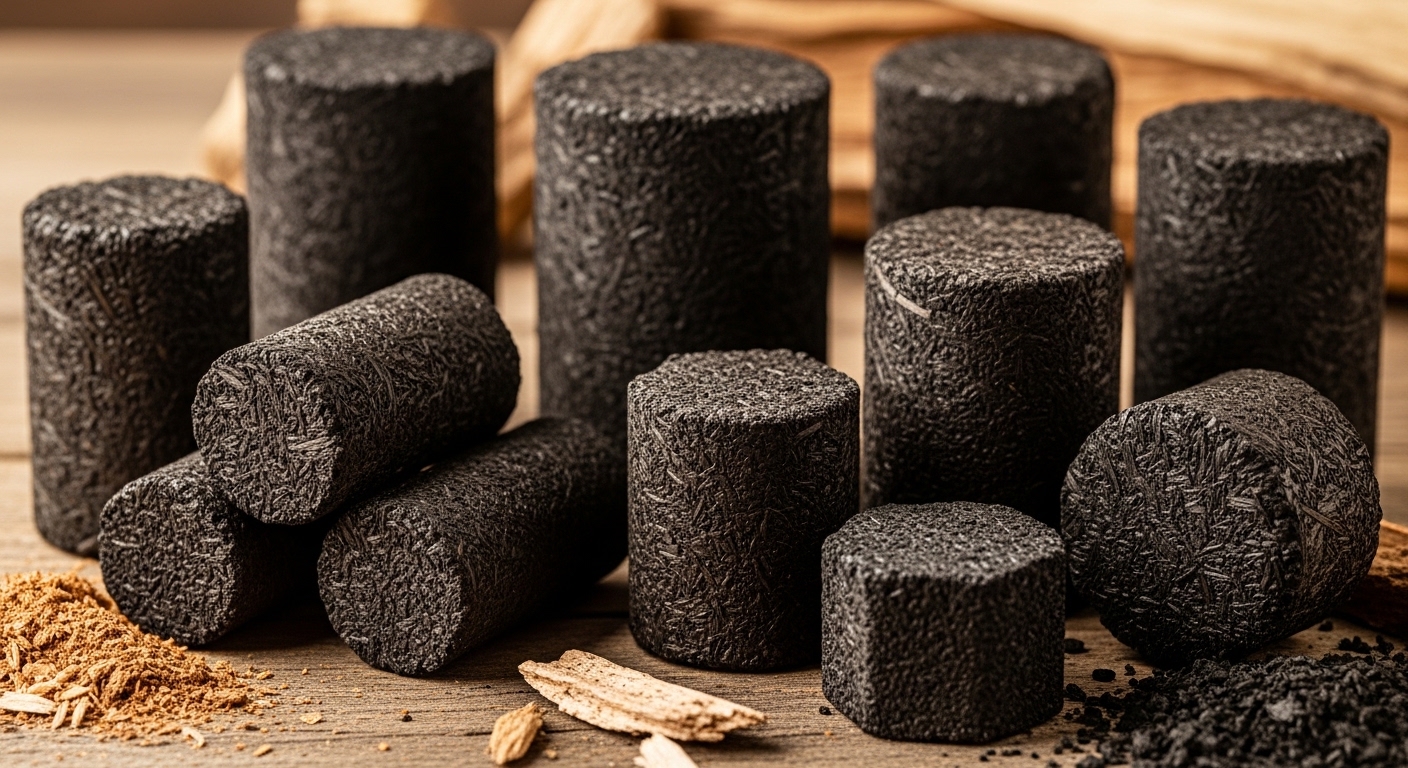
Thermally treated at 200–300°C. Highest energy density, hydrophobic, outdoor-safe. Closest biomass substitute to fossil coal in combustion behaviour.
The supply exists. The demand is surging. What has been missing is a reliable, verified marketplace to connect the two.
Rice husk, mustard husk, bagasse — largest agricultural residue producer
Palm shell, wood pellets — established processing & export infrastructure
World's largest sugarcane bagasse surplus — continental-scale feedstock
Rice husk, coconut shell — fast-growing processing capacity
Strict emission mandates, ISO 17225 required — highest compliance demand
20% biomass co-firing mandate by 2030 — 50M ton/year requirement
100% import dependency for solid fuel — premium pricing market
Active coal replacement in steel & cement under carbon pricing pressure
Any industry burning fossil coal in boilers or furnaces can switch to biocoal as a direct drop-in replacement — often with zero equipment modification.
Replace coking coal in furnaces and smelters. Maintain heat output equivalency while reducing Scope 1 emissions and procurement costs.
Co-fire at any ratio in rotary kilns. Immediate fuel cost reduction with no kiln modification required for most installations.
Same heat output, dramatically lower emissions, stable long-term pricing. Zero equipment changes needed.
Co-fire at 15–20% from day one. Most governments classify this as partial renewable generation eligible for incentives.
Replace coal in boilers for steam generation. Long-term supply contracts provide stable pricing for production planning cycles.
Clean burn, low ash, controlled calorific value. Meet food-safe emission standards and demonstrate verifiable sustainability.
Whether you are sourcing industrial fuel or selling verified biocoal to global markets — the platform is built to make both sides fast and efficient.
Specify fuel type, calorific value, volume, ash content, and delivery location. Takes 2 minutes.
Platform matches your requirement to verified suppliers who meet your exact spec — not just keyword results.
Compare lab certs, calorific reports, and pricing — all suppliers pre-verified before listing.
Confirm your supplier, finalize contract terms, all managed on platform.
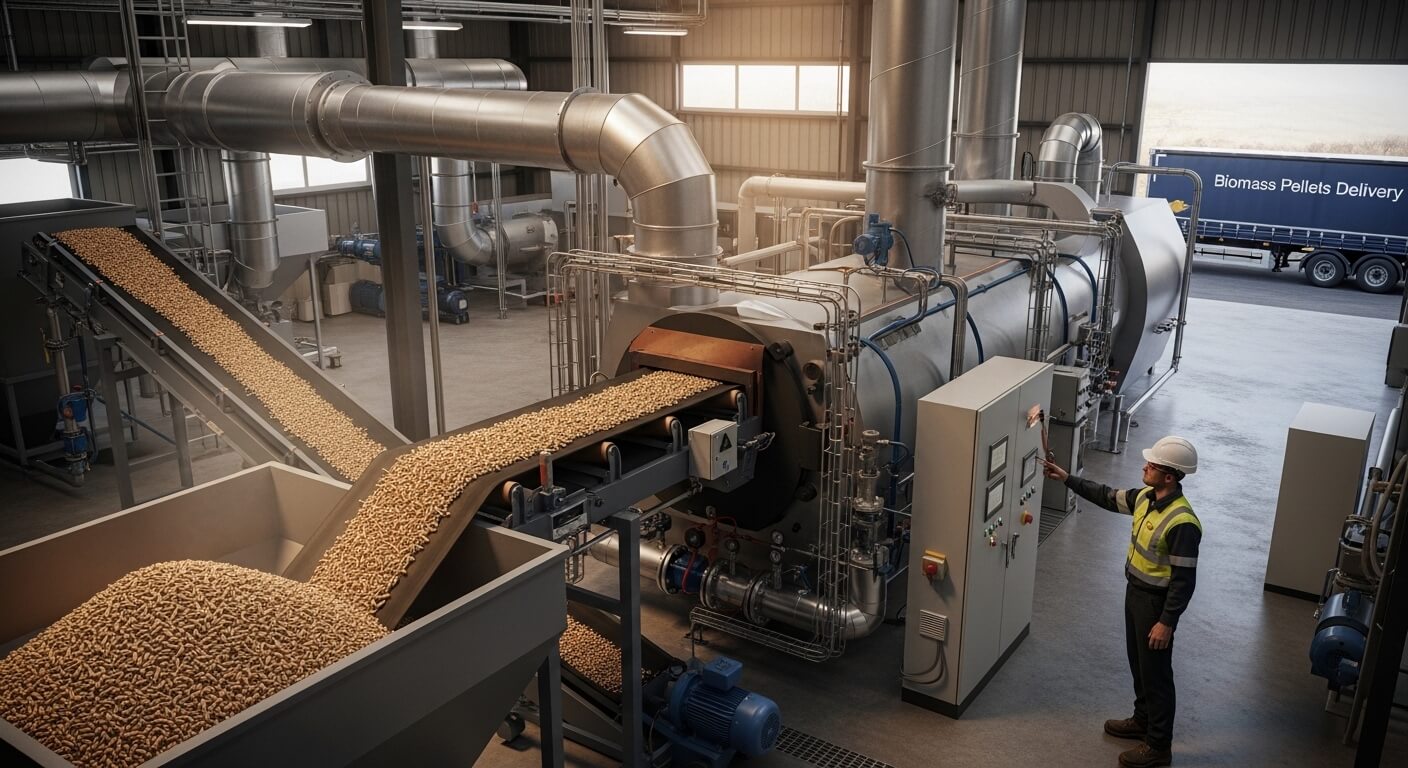
Freight coordinated through platform logistics. Set up long-term contracts for stable scheduled supply.
Lab test reports, calorific certificates, production capacity, and ISO compliance documentation.
Approved suppliers receive a verified profile visible to buyers across 42+ import countries.
Platform matches you to buyers posting requirements in your product category and shipping region.
Confirm deals and coordinate shipment through platform logistics. No broker margin cuts — ever.
Access Europe, Japan, Middle East, and South Africa directly. Build long-term contracts with repeat buyers.
Every other option solves one piece. We are the entire solution — procurement, quality verification, and logistics in one place.
| Feature | Traditional Brokers | Other Marketplaces | GreenFuel Exchange |
|---|---|---|---|
| Verified global suppliers | ✗ | Partial | ✓ |
| Spec-based buyer matching | ✗ | ✗ | ✓ |
| Global supply network | ✗ | Regional | ✓ |
| Logistics optimization | ✗ | ✗ | ✓ |
| Long-term contract support | Sometimes | ✗ | ✓ |
Register now to receive launch updates, early access consideration, and biocoal market intelligence directly to your inbox.